
Where will a URochester education take you?
The ÌÇÐÄ´«Ã½ÌÇÐÄ´«Ã½™s flexible curriculum allows you to create an academic experienceÌÇÐÄ´«Ã½”and future careerÌÇÐÄ´«Ã½”that is as unique as you are.
Discover the URochester difference

 Sandra Knispel
|
Communications Specialist
Sandra Knispel
|
Communications Specialist When Thomas (Tommy) Evans ÌÇÐÄ´«Ã½™99, now the managing editor for editorial review at National Public Radio (NPR), first arrived at the in the fall of 1995, he had no idea what career he wanted to pursue, let alone which major to pick.
Adding to his academic conundrum was the cold. Having spent most of his childhood in Thailand and India, his first winter was a struggle.
ÌÇÐÄ´«Ã½œIt snowed from Halloween to MotherÌÇÐÄ´«Ã½™s Day, and I really wish I was joking about that,ÌÇÐÄ´«Ã½� Evans recalls.
Yet, once warmed to Rochester, he explored a variety of subjects, including astronomy, Japanese literature, political science, and studio arts. Having grown up abroad, Evans felt a natural affinity for classes that involved Asian and international politics.
ÌÇÐÄ´«Ã½œI think triple majoring would have been really schizophrenic, but they [politics, arts, and astronomy] were the subjects I loved,ÌÇÐÄ´«Ã½� says Evans, who ended up graduating with a bachelorÌÇÐÄ´«Ã½™s degree in and .
You donÌÇÐÄ´«Ã½™t have to know what you want to do in life or have a definitive plan when you arrive on campus, according to Evans. Instead, he advises students to pursue classes and subjects that excite them. ÌÇÐÄ´«Ã½œItÌÇÐÄ´«Ã½™s a legitimate reason to take a class that just sounds unusual, or cool, or just curious, or fun,ÌÇÐÄ´«Ã½� he says.
While painting and politics are not necessarily adjacent subjects, Evans recalls his studio art classes at the being ÌÇÐÄ´«Ã½œtherapeutic and very grounding.ÌÇÐÄ´«Ã½� Today, Evans still keeps in touch with , an associate professor and the chair of the . Evans, whose art classes at Rochester were mostly focused on painting, moved into news photography later. In 2011, Evans even exhibited (at TopolskiÌÇÐÄ´«Ã½™s invitation) some of his news photos in a campus gallery, a gratifying moment.
As a long-time journalist for CNN International, Tommy Evans ÌÇÐÄ´«Ã½™99 took these photos in 2011 while embedded with US troops in Afghanistan.


At the time of his graduation, armed with ÌÇÐÄ´«Ã½œone of the best educations in the world,ÌÇÐÄ´«Ã½� Evans admits he was still vague on what to do next, longing for a career that ÌÇÐÄ´«Ã½œactually made a difference.ÌÇÐÄ´«Ã½�
At one point, he thought of working for the United Nations and, fleetingly, going into academia, when he earned a masterÌÇÐÄ´«Ã½™s degree in international politics at LondonÌÇÐÄ´«Ã½™s School for Oriental and African Studies.Afterward, along with quite a few fellow Rochester graduates, Evans moved to New York City, where, with the help of a Rochester friend, he landed an entry-level job at CNN.
At the time, he lived in a cramped apartment a few blocks from the World Trade Center.
It was from the roof of this very apartment, with debris raining down, that Evans watched as the second plane flew into the South Tower on September 11, 2001. While his apartment became temporarily uninhabitable in the aftermath of the terror attacks (he moved in with a Rochester friend for a while), something clicked.
ÌÇÐÄ´«Ã½œThose caught up in the 9/11 attacks had important stories that needed to be told, and as I saw it, my job was to make that happen,ÌÇÐÄ´«Ã½� he says. ÌÇÐÄ´«Ã½œI might not have known what I wanted to do with my life, but I knew I wanted to do something worthy.ÌÇÐÄ´«Ã½�
For the next two decades, he covered wars, invasions, and revolutions, as well as elections and natural disasters. He found himself in Iraq, Afghanistan, Syria, Libya, and Ukraine. Coming full circle, Evans was one of the first journalists on the scene when in May of 2011 Navy SEALs caught up to Osama bin Laden, .
In 2015, he largely left the frontlines of geopolitical conflicts to become CNNÌÇÐÄ´«Ã½™s vice president of newsgathering for Europe, the Middle East, Africa, and Latin America, and to serve as the news networkÌÇÐÄ´«Ã½™s London bureau chief until 2022.
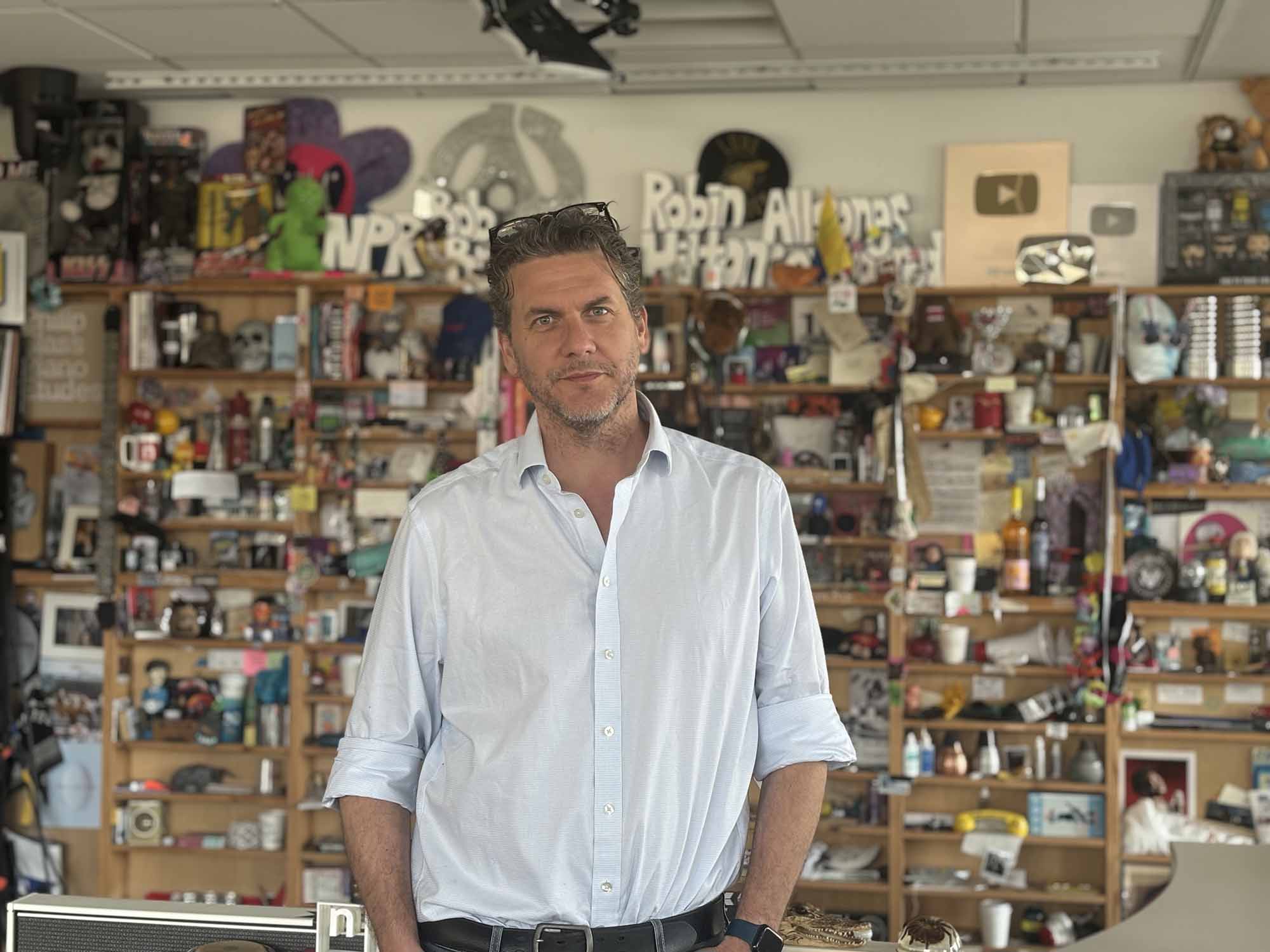
Last year, Evans joined NPR at its headquarters in Washington, DC, where heÌÇÐÄ´«Ã½™s now responsible for editorial review as part of a larger effort to provide an extra layer of editorial oversight and protection for the organizationÌÇÐÄ´«Ã½™s journalists and content creators.
Looking back, Rochester had a ÌÇÐÄ´«Ã½œhuge impactÌÇÐÄ´«Ã½� on his career, Evans says. Not just the education itself, but also the people he metÌÇÐÄ´«Ã½”and the network he developed as a result.
In the grand scheme of things, he says, those four years on campus can feel ÌÇÐÄ´«Ã½œlike a blip.ÌÇÐÄ´«Ã½� But ÌÇÐÄ´«Ã½œfor some reason those relationships become some of the most powerful ones in your life,ÌÇÐÄ´«Ã½� he says. ÌÇÐÄ´«Ã½œThe people I talk to when I really need helpÌÇÐÄ´«Ã½”the people who I rely onÌÇÐÄ´«Ã½”theyÌÇÐÄ´«Ã½™re almost all Rochester friends.ÌÇÐÄ´«Ã½�
Evans urges recent graduates to sign up for alumni events near them as an easy way to start a professional network and to get some good advice from people in their chosen professional field.
ÌÇÐÄ´«Ã½œDonÌÇÐÄ´«Ã½™t be shy,ÌÇÐÄ´«Ã½� he says. In fact, try reaching out to other Rochester alumni on LinkedIn. ÌÇÐÄ´«Ã½œPeople are really much more open to hear from recent graduates than youÌÇÐÄ´«Ã½™d probably expect,ÌÇÐÄ´«Ã½� he says. ÌÇÐÄ´«Ã½œThereÌÇÐÄ´«Ã½™s no harm in shooting someone a note and saying, ÌÇÐÄ´«Ã½˜Hey, can give me some advice?ÌÇÐÄ´«Ã½™ÌÇÐÄ´«Ã½�
In addition to informal outreach, the University offers structured programs to build your networks before and after graduation. For example, Rochester Connects, a national networking series, brings together Rochester alumni and students for conversations, insights, and career connections. ThereÌÇÐÄ´«Ã½™s also , a free, six-week program that matches recent Rochester graduates in various locations to talk about life and to gain practical skillsÌÇÐÄ´«Ã½”from budgeting and wellness, to building community and career confidence.
Evans has a message for students whose path post-Rochester feels a bit nebulous.
ÌÇÐÄ´«Ã½œI think itÌÇÐÄ´«Ã½™s natural and healthy to come out of university not really knowing exactly what you want to do. You donÌÇÐÄ´«Ã½™t have to have a plan. You can find those passions.ÌÇÐÄ´«Ã½�
For him, the breadth of coursework at Rochester has proved especially useful in charting a career in journalism. ÌÇÐÄ´«Ã½œHaving a little bit of knowledge about lots of stuffÌÇÐÄ´«Ã½”thatÌÇÐÄ´«Ã½™s a really powerful tool.ÌÇÐÄ´«Ã½�

Lastly, donÌÇÐÄ´«Ã½™t forget to have fun, he says. Your time at university is brief. ÌÇÐÄ´«Ã½œItÌÇÐÄ´«Ã½™s a great time in your life. Enjoy it,ÌÇÐÄ´«Ã½� Evans says.
Regardless of academic discipline, Evans is convinced that Rochester has ÌÇÐÄ´«Ã½œgiven you the tools you need, not only to forge careers, but to contribute to the greater good.ÌÇÐÄ´«Ã½�
EditorÌÇÐÄ´«Ã½™s note: In September 2025, , overseeing its global newsroom.Â


